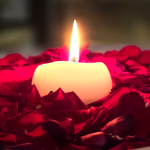
Communication with the other side takes many forms, shaped, perhaps, by the beliefs, traditions, and cultural practices of those who seek it. In some cultures, various forms of paraphernalia, such as candles, incense, and other ritual objects, are used to facilitate communication. Others recite religious or sacred texts, or words of their own tradition, in an attempt to “summon” the spirits. Some perform dances, wear particular colours, or observe prescribed rituals. Certain tribes partake in hallucinogenic compounds in the belief that altered states of consciousness may open a pathway to the other side. Of all these practices, however, the one that sits least comfortably with me is the use of animal sacrifice and the rituals associated with it to invoke communication.
Some attach great importance to the natural and celestial world. Weather conditions, planetary positions, dietary practices, and other environmental factors may be carefully observed and followed. Calculations are sometimes made with considerable precision to determine particular dates and times, or to coincide with planetary alignments believed to be conducive to communication. These are merely a few examples. There are undoubtedly many other customs and practices of which I remain unaware.
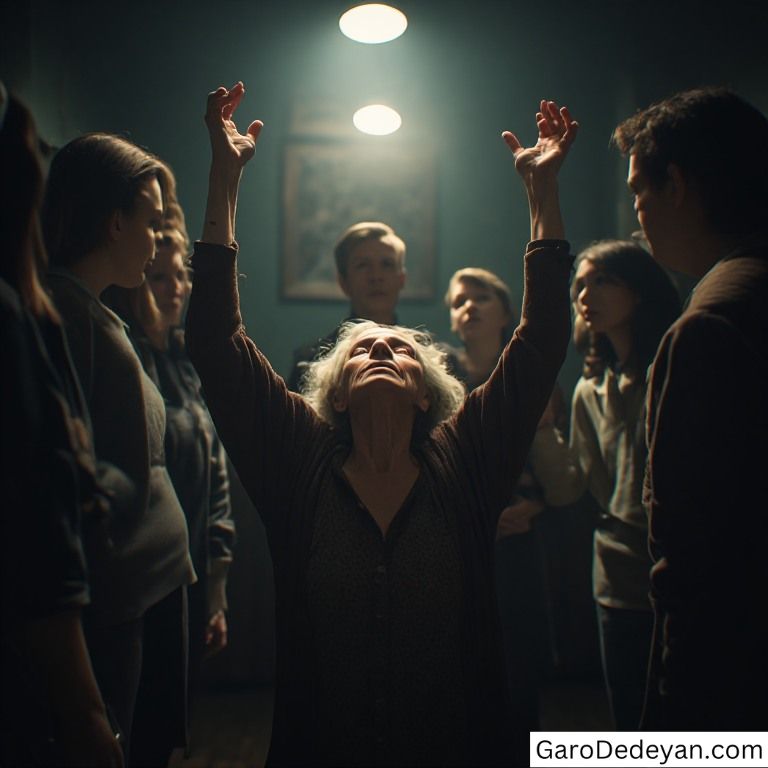
In some traditions, drama and theatricality seem almost inseparable from the act of communication itself. The atmosphere is carefully constructed, and the “spirits” may be addressed in hushed, solemn, almost authoritative tones: “Are… you… there? Speak… to… us… spirit.”
I cannot say with certainty where all these practices originate, nor do I claim to understand the cultural or historical forces that have given rise to them. What I do know is that I have never felt the need to engage in any of them.
My own approach begins with prayer, rooted in my personal beliefs. From there, I open myself to the other side and allow whatever comes through to emerge naturally. I share what I sense, hear, and see, without attempting to embellish the experience or impose a particular form upon it.
For me, there is a quiet simplicity in the process. My attention is not drawn to ritual, spectacle, or theatrics, but to the message itself. What matters most is whether what comes through may offer something meaningful to those who are receiving it, perhaps a sense of comfort, clarity, healing, or even reconciliation. Ultimately, I hope these messages have a profound and positive impact on my clients and their loved ones who have passed to the other side.